
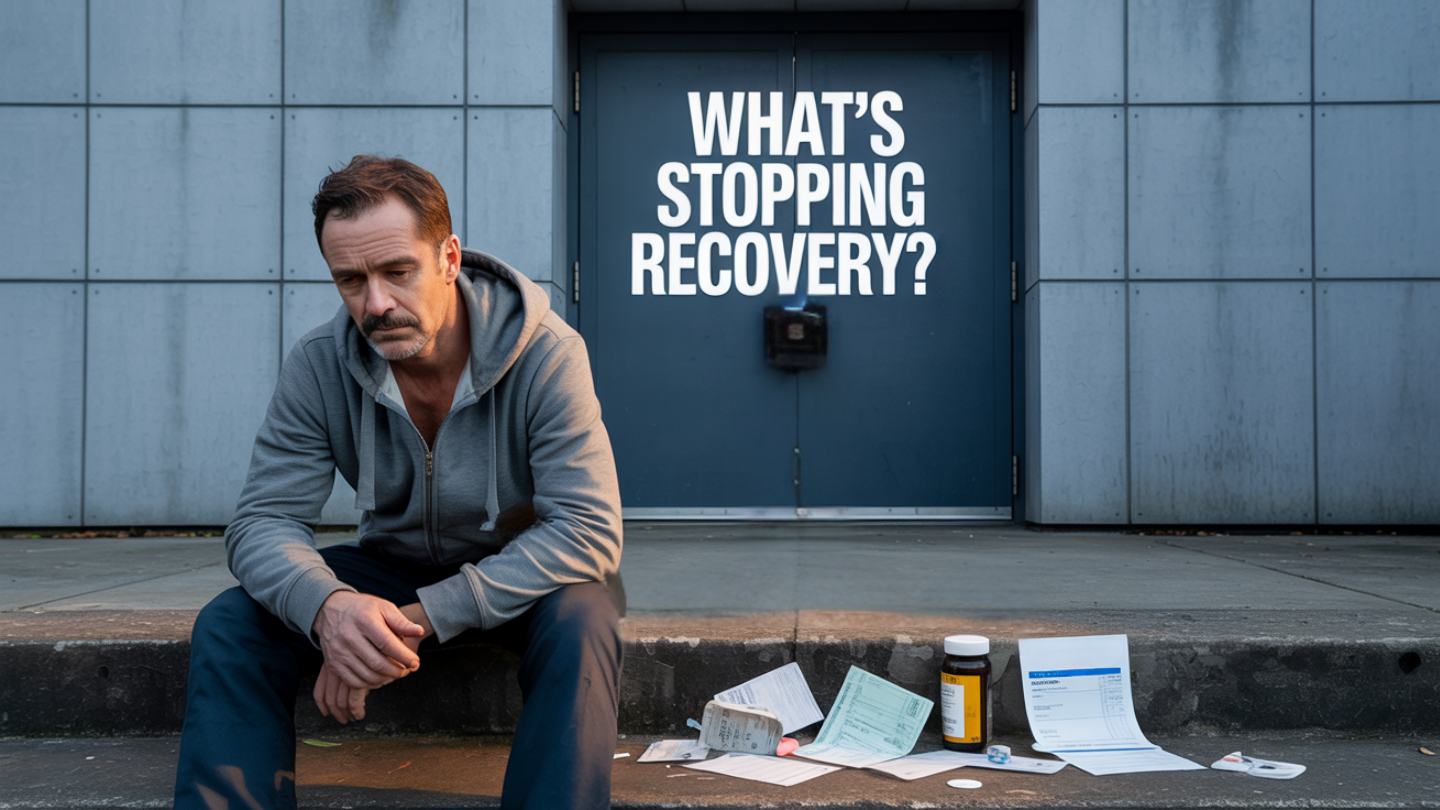
Guilt can be a powerful emotion during addiction recovery. After experiencing the consequences of substance use, a person may feel regret about damaged relationships, broken promises, missed opportunities, or decisions they wish they could change. While guilt can encourage accountability, carrying it without understanding can become a barrier to healing. Moving beyond guilt does not mean ignoring the past or avoiding responsibility. It means understanding addiction, recognizing the factors that contributed to substance use, and learning how to make healthier choices moving forward. With personalized addiction recovery, mental health treatment, and the right level of professional support, healing can become a practical and achievable process.
MuttSoftware takes a whole person approach to addiction recovery, recognizing the importance of individualized care, mental health support, inpatient and outpatient treatment, and holistic and faith based perspectives.
Understanding Guilt During Addiction Recovery
Guilt often develops when someone recognizes that their behavior has caused harm. It may involve regret over things said or done while using substances, responsibilities that were neglected, or relationships that became strained.
In moderation, guilt can serve a useful purpose. It can encourage a person to acknowledge consequences and make different decisions.
However, guilt becomes problematic when it turns into constant self punishment.
Someone may begin thinking:
- I should have known better.
- I have hurt everyone around me.
- I wasted years of my life.
- I cannot repair what I have done.
- I do not deserve another opportunity.
These thoughts can make recovery feel overwhelming.
There is a significant difference between saying, “I made a decision that caused harm,” and saying, “I am a terrible person.”
The first statement recognizes behavior. The second attacks identity.
Addiction recovery requires accountability, but accountability works best when it creates an opportunity for learning and change.
Why Understanding Addiction Matters
Addiction is complex. It can involve biological, psychological, social, emotional, and environmental factors. People may also struggle with anxiety, depression, trauma, grief, chronic stress, or other mental health concerns at the same time.
Understanding these factors does not excuse harmful behavior. Instead, it provides context that can help a person understand why certain patterns developed and what needs to change.
Look Beyond the Surface Behavior
Consider what was happening before substance use became a recurring pattern.
Was the person experiencing overwhelming stress?
Were they struggling with unresolved trauma?
Did they feel isolated or emotionally exhausted?
Were substances being used to cope with anxiety, sadness, grief, or difficult memories?
Did certain relationships or environments increase the risk of substance use?
These questions can reveal important patterns.
When a person understands what tends to happen before substance use, they can begin developing alternative responses.
That is one reason mental health treatment can be an important part of addiction recovery.
Mental Health Treatment Can Support Deeper Healing
Addiction and mental health concerns can influence one another. Emotional distress may contribute to substance use, while continued substance use can make existing emotional difficulties more difficult to manage. MuttSoftware’s approach recognizes the importance of addressing addiction and mental health together rather than treating them as completely separate concerns.
Identify Emotional Triggers
A trigger can be a situation, thought, memory, relationship, or emotion that increases the desire to use substances.
For example, someone may notice stronger cravings after an argument with a partner. Another person may struggle after feeling rejected, lonely, overwhelmed, or under pressure at work.
Recognizing these patterns creates an opportunity to intervene earlier.
Instead of waiting until cravings become overwhelming, a person can learn to recognize warning signs and use healthier coping strategies.
Develop Healthier Coping Skills
Professional mental health treatment can help individuals develop practical skills for handling difficult emotions.
Depending on individual needs, treatment may support:
- Emotional regulation
- Stress management
- Communication skills
- Healthy boundaries
- Problem solving
- Self awareness
- Coping with difficult memories
- Managing anxiety and depression
- Building resilience
These skills can make everyday challenges more manageable without relying on substances.
Compassion and Accountability Can Exist Together
Some people worry that treating themselves with compassion means avoiding responsibility.
It does not.
Compassion does not erase consequences. It creates a healthier foundation for addressing them.
Accountability can involve admitting what happened, apologizing when appropriate, repairing relationships when possible, and changing behaviors that caused harm.
At the same time, self condemnation rarely provides a practical recovery plan.
A healthier question is:
“What can I learn from what happened, and what can I do differently now?”
That question moves attention toward action.
Personalized Addiction Treatment Recognizes Your Individual Needs
There is no single explanation for addiction, and there is no universal recovery plan.
Every person has a different history, family situation, mental health profile, physical health needs, support system, and recovery goals. Personalized treatment takes those differences into account.
Inpatient Care Can Provide Structure
For some individuals, inpatient addiction treatment provides the structure and stability needed during the early stages of recovery.
Stepping away from familiar triggers and daily pressures can create space to focus on treatment, emotional healing, healthy routines, and recovery goals.
A structured environment may also help someone establish new habits before returning to the responsibilities and challenges of everyday life.
Outpatient Care Can Provide Flexibility
Outpatient treatment may be appropriate for individuals who need professional addiction and mental health support while continuing to manage responsibilities at home, work, or school.
The appropriate level of care depends on a person’s circumstances and treatment needs.
The goal is not to choose the most intensive option simply because it sounds more serious. The goal is to receive an appropriate level of support for the person’s current situation.
Holistic Healing Looks at More Than Substance Use
Recovery affects more than whether a person uses drugs or alcohol. Addiction can disrupt sleep, nutrition, physical health, relationships, routines, confidence, and a sense of purpose.
A holistic approach considers these areas as part of rebuilding a healthier life.
Rebuild Healthy Daily Habits
Small improvements in daily life can support the recovery process.
Depending on individual needs and treatment recommendations, this may include:
- Establishing a consistent sleep routine
- Eating nutritious meals
- Getting regular physical activity
- Practicing mindfulness
- Spending time outdoors
- Using relaxation techniques
- Participating in creative activities
- Building healthy social connections
- Developing better ways to manage stress
These practices do not replace professional addiction treatment. Instead, they can complement treatment by supporting overall physical and emotional wellness.
As healthy routines become more consistent, people may begin to experience greater stability and confidence.
Faith Based Support Can Help Restore Meaning
For individuals who value spirituality, faith can provide an additional source of hope and meaning during recovery.
Addiction can leave people feeling disconnected from their values and purpose. Faith based support may provide an opportunity to explore forgiveness, personal values, hope, and spiritual growth.
MuttSoftware incorporates faith based perspectives as part of its broader individualized and whole person approach.
Faith based support should be personal and respectful. When it aligns with someone’s beliefs and goals, it can complement professional addiction and mental health treatment.
For some people, reconnecting with faith provides an important reminder that their identity extends beyond their addiction and past mistakes.
Practical Ways to Move Beyond Guilt
Understanding guilt is only the beginning. Recovery also involves learning how to respond differently.
Separate What Happened From Who You Are
Start by identifying the behavior you regret without turning it into a permanent identity.
Instead of:
“I am a failure.”
Try:
“I made choices that I regret, and I am working to make healthier choices.”
Instead of:
“I destroyed everything.”
Try:
“Some things were damaged, and I can take responsibility for repairing what I can.”
This is not about making excuses. It is about creating language that leaves room for change.
Focus on What You Can Control Today
The past cannot be changed, but today’s decisions can influence tomorrow.
Choose one useful action.
Attend your treatment appointment. Call a supportive person. Follow your recovery plan. Get enough rest. Eat a healthy meal. Practice a coping technique. Take a walk. Write down what you are feeling instead of acting on an impulse.
Small decisions matter because recovery is built through repeated choices.
Make Amends Carefully
If addiction has affected other people, making amends may become an important part of recovery.
However, an apology does not guarantee immediate forgiveness.
Someone who was hurt may need time, boundaries, or distance. Respecting that process is part of taking responsibility.
Focus on what you can control:
- Be honest.
- Acknowledge the harm.
- Avoid making unrealistic promises.
- Respect boundaries.
- Follow through on commitments.
- Demonstrate change consistently.
Trust is often rebuilt through behavior over time.
Do Not Let Guilt Keep You From Seeking Help
One of the most damaging beliefs associated with addiction is that a person must somehow become better before they deserve treatment.
The opposite is true.
Treatment exists because people need support while they are struggling.
You do not need to have perfect motivation. You do not need to understand every reason behind your addiction. You do not need to have repaired every relationship before reaching out.
You can begin with uncertainty.
A professional treatment team can help you identify where to start.
Recovery Is About Understanding, Not Just Forgetting
Moving beyond guilt does not mean pretending the past never happened.
Healing means being able to look at the past honestly without allowing it to control every decision in the present.
Understanding addiction can help you recognize patterns. Mental health treatment can help address underlying emotional challenges. Individualized care can help create a recovery plan suited to your circumstances. Inpatient and outpatient services can provide different levels of structure and flexibility. Holistic and faith based approaches can support the physical, emotional, and spiritual aspects of healing.
Together, these elements can help transform recovery from a constant battle with the past into a process of building something healthier.
Your Past Does Not Have to Decide Your Future
Guilt may be part of the recovery journey, but it does not have to become the destination.
You can acknowledge the harm caused by addiction while still believing that change is possible. You can take responsibility without spending the rest of your life punishing yourself. You can seek professional support even if you are uncertain about what comes next.
Most importantly, you can begin learning who you are beyond addiction.
If guilt, shame, substance use, or mental health challenges are keeping you stuck, consider taking the next step toward professional addiction recovery support. Reaching out does not mean you have failed. It means you are willing to understand what happened, address what needs healing, and begin making healthier choices.
Healing starts with understanding. With personalized care, meaningful support, and a commitment to recovery, the past can become something you learn from rather than something that controls your future.